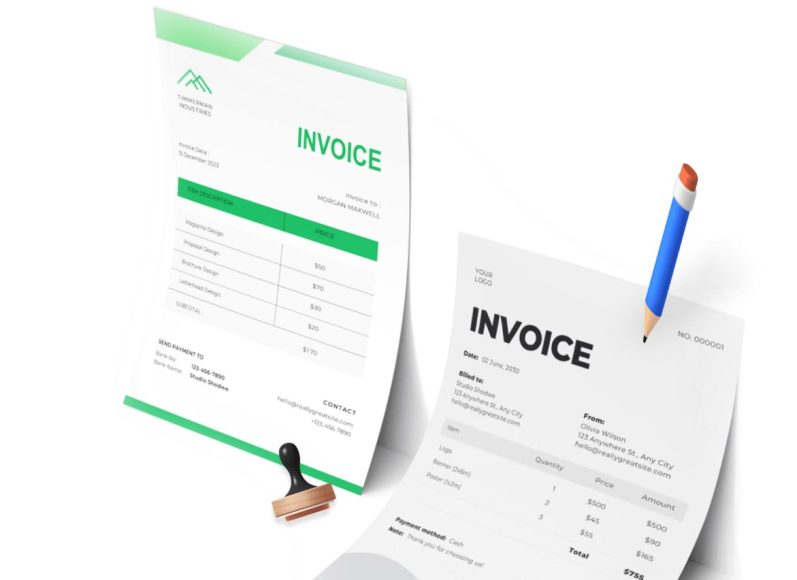
The Role of Accounts Payable in Business Operations
Accounts payable play an integral role in a business’s operational and financial structure. It directly impacts a company’s credit rating, cash flow stability, and vendor satisfaction. Late payments can damage vendor relationships and result in penalties or loss of early payment discounts, while premature payments can affect liquidity. The department responsible for accounts payable ensures that financial obligations are met in a timely, accurate, and efficient manner. This includes validating incoming invoices, matching them with purchase orders and shipping receipts, seeking approvals, and scheduling payments by terms negotiated. In businesses that handle a high volume of transactions, AP management can become complex, particularly when handled manually. Streamlining these operations through a clear system ensures control, consistency, and accuracy.
Key Functions of Accounts Payable Management
Accounts payable management involves several interconnected tasks. The first step is vendor onboarding and credit establishment. The AP team identifies suitable vendors, evaluates their terms, and establishes trade credit agreements. Once suppliers are confirmed, the process of managing invoices begins. Every invoice received is verified against purchase orders and delivery confirmations. This process, known as three-way matching, helps ensure accuracy and authenticity. After verification, invoices must pass through an internal approval system, which includes checks and validations based on company policies. Once approved, payments are scheduled in line with the agreed-upon terms. Post-payment, invoices are archived digitally or physically, forming an essential part of audit trails and financial records.
Trade Credit and Vendor Selection in AP Management
Before a business begins purchasing from a vendor on credit, the accounts payable team must establish a reliable and beneficial trade relationship. This involves identifying suppliers offering goods or services that meet business needs at competitive prices. However, price is only one factor. The AP department must also assess the vendor’s payment terms, delivery timelines, dispute resolution policies, and overall reliability. Once selected, the AP team negotiates terms such as payment periods, early payment discounts, and bulk order incentives. Establishing favorable trade credit terms is crucial, as it provides the business with flexibility while managing working capital. Efficient AP management ensures that these terms are recorded and enforced during the invoice and payment process.
Invoice Verification and Payment Management
Once a vendor has been selected and terms established, the next critical phase of accounts payable management is invoice handling. Upon receiving an invoice, the AP team must verify its accuracy. This includes confirming that the invoiced goods or services match what was ordered and delivered, and that the pricing aligns with the agreed-upon terms. This stage often requires three-way matching, comparing the invoice to the original purchase order and the shipping or receiving document. Once validated, the invoice is routed internally for approval. In many organizations, different team members handle ordering, invoice entry, approval, and payment authorization to prevent fraud or errors. After approval, payment is issued based on due dates, considering any early payment incentives or cash flow constraints. All invoice and payment records must be carefully documented for transparency and auditing purposes.
The Importance of Internal Controls in AP
Establishing clear internal controls is fundamental to effective accounts payable management. These controls define the rules, procedures, and responsibilities for each step in the AP process. Without internal controls, there is a greater risk of errors, fraud, delayed payments, or regulatory non-compliance. Internal controls ensure that invoices are only paid once, that the amounts are correct, and that payments are authorized appropriately. For example, one important control is the separation of duties. The individual who orders goods should not be the same person who approves invoices or processes payments. This segregation reduces the risk of manipulation or fraud. Another important internal control is requiring manager approval for high-value invoices or vendors not previously used. Documentation of these approvals also forms part of the audit trail.
Creating a Streamlined Workflow Process
Even if your AP process is manual, implementing a standardized workflow can help improve efficiency and consistency. A well-defined workflow outlines the journey an invoice takes from receipt to payment. This includes receiving the invoice, scanning or entering it into the system, performing matching processes, routing for approval, scheduling payment, and archiving. Having a workflow ensures that each invoice is treated consistently and helps reduce delays. It also provides a visual overview of where any bottlenecks or issues are occurring. Businesses that adopt automation can further optimize workflows by eliminating many of the manual tasks involved. However, even without full automation, having a documented and enforced workflow can lead to significant improvements in performance and compliance.
Enforcing Separation of Duties for Risk Reduction
Separation of duties is a cornerstone of secure and effective accounts payable management. It refers to dividing key AP responsibilities among different employees. No single person should control the entire AP cycle, from vendor selection to payment authorization. For example, one staff member may create a purchase order, another may receive the goods, and a third may approve the invoice for payment. This division creates a system of checks and balances that helps identify errors or prevent fraudulent activities. Without the separation of duties, an individual could theoretically create a fake vendor, approve an invoice, and issue payment without detection. By enforcing this principle, businesses can enhance security, build accountability, and protect their financial resources.
Handling Exceptions in the AP Process
Despite best efforts, exceptions in the AP process are inevitable. These can include invoices that do not match the purchase order, discrepancies in quantities, pricing errors, or missing approvals. A mature AP management system includes guidelines for how to handle such exceptions. These guidelines should specify who is responsible for resolving the issue, how long the resolution should take, and how the invoice should be flagged during the interim. Without a clear approach, these exceptions can lead to payment delays, strained vendor relationships, and lost discounts. Businesses should also track the frequency and causes of exceptions, using this data to improve upstream processes such as purchasing or vendor communication.
Policy Creation and Documentation in AP
The foundation of strong AP management lies in written policies and procedures. These documents outline how the AP process should function, from invoice receipt to payment authorization. They also describe employee roles, approval limits, handling of exceptions, and documentation standards. Well-documented policies help ensure that all employees are aligned and that the process is consistent, even during employee turnover or departmental changes. Policies also provide a framework for training new AP staff and serve as a reference point for audits or compliance reviews. Businesses that take the time to write, implement, and regularly review AP policies are better positioned to manage their financial obligations efficiently and avoid costly errors.
Aligning AP Management With Business Objectives
Ultimately, the goal of accounts payable management is not just to process payments but to support overall business objectives. This includes preserving cash flow, optimizing working capital, maintaining vendor trust, and improving operational efficiency. AP management strategies should align with broader finance goals such as budgeting, cost control, and financial forecasting. For example, delaying non-urgent payments until they are due can help retain cash for high-priority investments. On the other hand, taking advantage of early payment discounts can reduce expenses. Strategic AP management requires visibility into payment schedules, supplier terms, and the financial calendar. The AP function should not be isolated but integrated with procurement, treasury, and executive decision-making processes.
Real-World Examples of Accounts Payable Management
Accounts payable management takes on different forms across industries, depending on the volume of transactions, complexity of vendor relationships, and internal workflows. Examining real-life business scenarios helps highlight how effective AP management adds value and how common challenges are addressed.
One common example can be seen in the retail sector. A large retail chain sources products from hundreds of vendors, each with different billing cycles and payment terms. In such a scenario, the AP department must manage thousands of invoices each month. Without a streamlined process, delays in payments may result in penalties, strained vendor relations, or supply disruptions. To address this, the company may use a centralized AP system that automates invoice capture, applies three-way matching, and categorizes invoices by urgency and due date. This ensures that critical suppliers are paid on time while optimizing cash flow for less time-sensitive payments.
In the construction industry, managing AP is further complicated by progress payments, retainage, and variable contract terms. For example, a construction firm working on multiple projects might receive invoices from subcontractors that require partial payments based on milestone completion. The AP team must carefully coordinate with project managers to confirm that work is completed as claimed before approving payment. An effective AP process in this industry includes milestone tracking, contract documentation, and flexible payment approvals.
Another example comes from professional services firms, where the bulk of AP transactions relate to recurring software subscriptions, travel expenses, legal retainers, or consulting fees. In such businesses, the focus is not just on payment scheduling but also on cost tracking and categorization. An AP system with expense coding, GL integration, and policy-based approval routing helps maintain control and provides clear reporting for management decisions.
In each of these examples, the businesses that perform best in AP management are those that align process design with their specific needs. While automation is beneficial, what matters most is the clarity of procedures, timeliness of actions, and accountability throughout the process.
Key Objectives of Accounts Payable Management
Accounts payable is not merely an operational function—it serves broader financial and strategic goals within an organization. The following objectives define what successful accounts payable management looks like and why it is essential for healthy financial operations.
Ensure Accurate and Timely Payments
One of the foremost objectives of AP management is to ensure that vendors are paid accurately and on time. Timely payments help businesses avoid late fees, maintain good credit, and build positive relationships with suppliers. Equally important is payment accuracy, which involves verifying that the amounts billed match what was ordered and delivered. This requires coordination across purchasing, receiving, and finance teams. By establishing verification controls and approval mechanisms, the AP function ensures that only legitimate and validated expenses are paid.
Maintain Positive Vendor Relationships
Vendors and suppliers are critical business partners. A well-functioning AP system helps maintain trust and reliability in these relationships. Paying vendors within agreed-upon terms demonstrates professionalism and helps secure favorable pricing and priority service. Inconsistent or delayed payments, on the other hand, may lead vendors to impose stricter terms or even discontinue service. AP managers must communicate clearly with vendors, resolve disputes quickly, and ensure that payment schedules are honored. This relationship-building aspect of AP often goes unnoticed, but it can significantly influence procurement outcomes and service quality.
Optimize Cash Flow
Another core objective of accounts payable management is to support the company’s cash flow strategy. By tracking due dates and leveraging trade credit, the AP team can defer payments until necessary, freeing up working capital for other business uses. However, this must be balanced against early payment discounts and vendor goodwill. For example, if a supplier offers a two percent discount for payment within ten days, it might be beneficial to pay early and reduce costs. AP managers must coordinate closely with finance teams to determine optimal payment timing that aligns with broader liquidity and budgeting goals.
Enhance Operational Efficiency
Reducing processing time, eliminating redundancies, and minimizing manual tasks are all part of the effort to improve AP efficiency. A streamlined AP process reduces the administrative burden on staff and accelerates payment cycles. For businesses that handle a high volume of invoices, efficiency can be the difference between manageable operations and constant backlog. Objectives in this area include reducing invoice approval time, automating repetitive tasks such as data entry, and minimizing invoice exceptions through better vendor communication.
Strengthen Internal Controls and Compliance
The AP function must also serve as a safeguard against financial mismanagement, fraud, and regulatory violations. Strong internal controls ensure that payments are properly authorized, documentation is retained, and audit trails are available. Compliance with tax laws, payment reporting standards, and corporate governance rules is an essential responsibility of AP management. Businesses in regulated industries or those with international vendors must be particularly vigilant about compliance. Objectives in this area include ensuring proper segregation of duties, creating enforceable policies, and integrating compliance checks into the AP workflow.
Improve Financial Reporting Accuracy
Accounts payable data feeds directly into a company’s general ledger, affecting its balance sheet and cash flow statements. Inaccurate AP records can lead to misstated liabilities, incorrect tax filings, or faulty financial projections. One of the goals of AP management is to ensure that financial data is reliable and up to date. This involves timely entry of invoices, appropriate expense classification, and periodic reconciliation. A disciplined AP process reduces the risk of discrepancies and supports transparent financial reporting.
Reduce Cost per Invoice
Cost per invoice is a key performance indicator in AP management. It measures how much it costs to process one invoice from receipt to payment. This includes labor, technology, and overhead. A high cost per invoice often indicates inefficiencies such as manual entry, paper-based workflows, or frequent errors requiring rework. AP departments aim to reduce this cost through automation, streamlined workflows, and better vendor communication. Lowering the cost per invoice not only improves departmental productivity but also contributes to overall profitability.
Support Strategic Decision Making
Modern finance teams increasingly view accounts payable as a source of valuable data. Information on spending patterns, vendor performance, and payment trends can support strategic decision-making across procurement, budgeting, and operations. For example, identifying vendors with consistent early payment discounts could guide decisions about prioritizing those relationships. Likewise, tracking invoice disputes can reveal upstream problems in procurement or receiving processes. By managing AP data effectively, businesses can unlock insights that lead to better resource allocation and supplier management.
Manage Risk Exposure
In today’s complex business environment, risk exposure in AP management comes from multiple directions. These include financial risks such as late payment penalties, operational risks from process breakdowns, and compliance risks involving tax or regulatory issues. There is also fraud risk, particularly from unauthorized payments, duplicate invoices, or fake vendors. The objective of AP risk management is to identify these vulnerabilities and implement controls that mitigate them. This includes monitoring payment activity, maintaining vendor master file integrity, and applying transaction thresholds for additional approvals.
Align With Broader Financial Goals
Ultimately, accounts payable do not operate in isolation. It must support broader financial and operational goals, such as maintaining solvency, increasing profitability, and enabling sustainable growth. This means that the AP strategy must be coordinated with treasury, procurement, and senior leadership. For example, if the business is aiming to reduce its days payable outstanding (DPO) to improve liquidity ratios, AP must adjust its scheduling and approval processes accordingly. Similarly, if the company is pursuing cost reduction, AP might focus on reducing vendor disputes, enforcing contract compliance, or negotiating better terms. Aligning AP management with organizational strategy ensures that the function contributes to long-term success rather than just handling short-term tasks.
Benefits of Accounts Payable Management
A well-managed accounts payable process is a financial and operational asset. It enhances accuracy, supports better vendor relationships, and strengthens financial reporting. When properly designed and executed, AP management creates efficiencies that ripple throughout the business, supporting everything from procurement to strategic planning. The benefits are not limited to the finance team—they influence every department that relies on external suppliers and budgeting predictability.
Improved Vendor Relationships
One of the most immediate and tangible benefits of sound AP management is the strengthening of vendor relationships. Timely and accurate payments demonstrate a business’s reliability and financial stability. Vendors are more likely to offer favorable terms, notify the company of early discounts, or prioritize orders for businesses that pay on time. On the contrary, late or inaccurate payments can cause friction, disrupt supply chains, and lead to penalties or increased costs.
By maintaining transparent communication, resolving disputes quickly, and honoring contractual agreements, businesses create a reputation for professionalism. Vendors are not just service providers; they are strategic partners. A good AP process supports a long-term, mutually beneficial relationship. This can be especially crucial in industries with limited supplier availability, such as specialized manufacturing or logistics services.
Better Cash Flow and Working Capital Optimization
Cash flow is the lifeblood of any business, and accounts payable play a direct role in managing it. When AP is managed effectively, businesses gain visibility into their upcoming liabilities and can plan cash outflows with greater precision. This allows companies to hold on to cash longer without risking late payment penalties or damaging vendor relationships.
Strategic AP management also enables businesses to leverage early payment discounts or shift payments in a way that smooths out cash requirements across the month or quarter. This balancing act helps reduce the need for short-term borrowing, minimize interest expenses, and improve the company’s working capital position. Businesses with solid AP practices often report stronger liquidity ratios, better credit terms from lenders, and more accurate cash forecasts.
Enhanced Financial Accuracy
Accounts payable transactions directly affect the balance sheet and cash flow statement. Any errors in invoice processing, classification, or payment timing can lead to incorrect financial reporting. Effective AP management ensures that data entered into the general ledger is accurate, complete, and categorized correctly.
This improves the quality of financial statements, giving decision-makers a clearer picture of the company’s financial health. With well-managed AP processes, there are fewer surprises during month-end closing, fewer adjustments needed during audits, and better predictability in budgeting. Clean and consistent records also make it easier for companies to assess vendor performance, track cost centers, and make informed spending decisions.
Strengthened Audit and Compliance Readiness
Accounts payable is one of the most heavily scrutinized areas during financial audits. Every transaction must be documented, authorized, and traceable. Businesses that lack a consistent AP process often scramble during audits, leading to delays, increased costs, or even regulatory penalties.
By implementing strong AP policies and procedures, organizations create a built-in audit trail. Each invoice is matched to a purchase order and receipt, approved by the appropriate personnel, and stored in a secure, searchable format. This documentation supports internal and external audits, regulatory compliance, and tax reporting.
For businesses in highly regulated sectors such as healthcare, finance, or government contracting, this level of preparedness is essential. Demonstrating compliance through AP records builds credibility and reduces risk exposure.
Reduced Errors and Duplicate Payments
Manual data entry, poor invoice tracking, and lack of validation controls are all common causes of AP errors. These errors lead to overpayments, missed discounts, disputes with vendors, and additional work to reverse incorrect transactions. Effective AP management incorporates controls such as three-way matching, duplicate invoice detection, and automated approval routing to minimize human error.
Even a small reduction in error rates can lead to significant savings, especially for businesses handling hundreds or thousands of invoices each month. Inaccuracies in accounts payable don’t just affect vendor satisfaction—they also inflate operational costs and undermine trust in the financial process.
Increased Efficiency Through Automation
Businesses that implement automation in their AP processes gain significant advantages in speed, consistency, and cost savings. Automation tools can capture invoices electronically, apply validation rules, route approvals based on predefined criteria, and even schedule payments. This reduces the need for manual intervention and accelerates the invoice-to-payment cycle.
Time previously spent on data entry, chasing approvals, and filing paperwork can now be used for higher-value tasks such as vendor analysis, strategic sourcing, or process improvement. Automation also provides dashboards and reports that give real-time insight into liabilities, approval bottlenecks, and exception trends. This kind of visibility is difficult to achieve through manual processes alone.
Greater Control Over Spending
An organized and well-managed AP process helps businesses control spending by ensuring that only authorized and verified invoices are paid. With strong invoice matching and approval workflows, it becomes much harder for unauthorized purchases or overbillings to slip through unnoticed.
Accounts payable teams can also flag suspicious or non-budgeted expenses for further review. This adds a layer of accountability that complements budgeting and procurement policies. Businesses that rely on departmental budgets or operate in project-based environments benefit particularly from this level of control, as it helps track expenses against specific cost centers or job codes.
Data-Driven Decision Making
Modern AP systems provide access to detailed data about spending patterns, payment timing, vendor performance, and more. With this data, finance teams can make better decisions about which vendors to consolidate, which payment terms to renegotiate, and how to prioritize invoices for early payment discounts.
For example, a company might identify that a certain vendor consistently offers a two percent discount for payment within ten days, yet most invoices are paid after fifteen days. With this insight, the business can re-prioritize workflows to capture the savings. Similarly, data showing frequent invoice discrepancies from a particular vendor could trigger a contract review or purchasing policy adjustment.
In this way, accounts payable becomes a valuable contributor to procurement strategy and cost optimization.
Competitive Advantage in Vendor Negotiations
Vendors are more likely to offer favorable terms to buyers who have a track record of timely payments and clear communication. Businesses that manage AP well can use their reputation to negotiate better rates, longer payment terms, or exclusive deals.
Additionally, by understanding vendor performance through AP data, businesses can identify their most reliable and strategic partners. This makes it easier to allocate more spend to preferred vendors, consolidate purchasing for volume discounts, and create more collaborative supplier relationships.
In highly competitive industries, the ability to secure favorable supply terms can be a key differentiator. AP management is an important tool in building that advantage.
Scalability and Growth Enablement
As businesses grow, so does the volume and complexity of accounts payable transactions. Without a solid AP foundation, scaling up can lead to bottlenecks, increased error rates, and vendor dissatisfaction. A mature AP function, supported by policies, automation, and skilled personnel, is equipped to handle growth without a proportional increase in headcount or overhead.
This scalability ensures that finance operations remain efficient as the business enters new markets, adds vendors, or launches new product lines. It also enables rapid onboarding of suppliers and quick adaptation to changing payment conditions. Businesses with strong AP systems can focus on strategic growth rather than operational firefighting.
Fraud Prevention and Risk Reduction
Accounts payable fraud can take many forms, including duplicate payments, fake vendors, falsified invoices, and unauthorized purchases. An effective AP management system includes preventive measures such as approval hierarchies, vendor verification, audit trails, and payment authorization controls.
By enforcing the separation of duties, businesses ensure that no single person has control over the entire payment process. This makes it more difficult for internal or external actors to commit fraud. Regular audits, system access controls, and vendor monitoring further reduce risk.
In high-risk or high-transaction environments, these controls are not optional—they are essential safeguards. Businesses that take AP security seriously protect themselves from reputational damage, financial loss, and legal liability.
Business Continuity and Disaster Recovery
An overlooked benefit of modern AP management is business continuity. Paper-based processes and decentralized systems are vulnerable to disruption from natural disasters, cyberattacks, or staff turnover. Businesses that implement electronic invoice storage, cloud-based systems, and documented workflows are better equipped to maintain AP operations under stress.
Even during events such as a pandemic or sudden office closure, electronic AP systems allow finance teams to access invoices, route approvals, and process payments remotely. This resilience ensures that vendor obligations are met, contracts are upheld, and financial operations continue uninterrupted.
Common Challenges in Accounts Payable Management
Despite its foundational importance, accounts payable is often one of the most overlooked and under-resourced functions in many organizations. The challenges businesses face in managing AP typically stem from fragmented processes, manual tasks, outdated systems, and inconsistent internal policies. These issues can lead to increased costs, vendor disputes, compliance risks, and operational inefficiencies.
Manual and Paper-Based Processes
One of the most persistent problems in AP management is reliance on manual data entry and paper-based workflows. Many businesses still receive invoices through postal mail or as PDF attachments that must be printed and physically routed for approval. These manual steps introduce delays, increase error rates, and create bottlenecks. In addition, paper documents are easy to misplace or damage, making audit preparation and recordkeeping difficult.
Manual systems also lack visibility. Without centralized tracking, it becomes nearly impossible to know the status of invoices, approvals, or upcoming payments at any given time. This uncertainty leads to missed due dates, unclaimed early payment discounts, and strained vendor relationships.
High Volume of Invoice Exceptions
Invoice exceptions occur when the details on an invoice do not match the corresponding purchase order or receiving report. These discrepancies can involve pricing errors, incorrect quantities, missing purchase orders, or unapproved charges. Handling exceptions often requires back-and-forth communication between AP, procurement, and vendors.
High exception rates are a sign of underlying process issues, such as weak purchasing controls, poor vendor communication, ora aclackf standardization. These exceptions slow down the payment process, divert staff from higher-value tasks, and increase the likelihood of payment delays or disputes.
Lack of Standardized Approval Workflows
In many organizations, there is no formal policy defining who is authorized to approve different types or amounts of expenditures. As a result, invoices may sit idle in email inboxes or bounce between departments for days or weeks. Without a defined workflow, approvals become inconsistent, and there is little accountability when delays occur.
The absence of standardized workflows also increases the risk of unauthorized payments, missed fraud indicators, or duplicate approvals. A lack of structure makes the process inefficient and increases financial and operational risks.
Poor Visibility and Reporting
Without real-time access to data, accounts payable managers struggle to answer basic questions such as how much is owed, to whom, and when. This lack of visibility makes cash flow forecasting more difficult and undermines strategic decision-making. It also complicates responses to audit inquiries, vendor status updates, and internal reviews.
Poor visibility is often the result of disconnected systems, manual records, and insufficient reporting tools. Businesses that can’t track key metrics like invoice cycle time, exception rates, or outstanding liabilities are more likely to encounter late payments, budget overruns, or compliance issues.
Fraud Risk and Internal Control Failures
Accounts payable fraud can take many forms, including fictitious vendors, duplicate payments, false invoices, and unauthorized transactions. Inadequate controls and the absence of separation of duties make it easier for fraud to go undetected.
For example, if one employee can create vendors, approve invoices, and release payments, the organization is exposed to significant risk. Even well-intentioned employees may unintentionally bypass controls or miscode invoices if proper oversight is lacking.
Without strict procedures and system-based controls, businesses face a higher likelihood of financial losses, reputational damage, and legal exposure.
Vendor Disputes and Relationship Strain
Payment errors, delayed approvals, and communication lapses can lead to vendor disputes. If vendors are unsure when or if they will be paid, trust deteriorates. This can result in withheld deliveries, revoked credit terms, or termination of the supplier relationship altogether.
Vendor dissatisfaction also limits negotiation leverage, making it harder for businesses to secure discounts, priority service, or better terms. A poorly managed AP function sends the message that the business is disorganized or financially unstable.
Inefficiency in Scaling
As companies grow, their AP function must be able to scale accordingly. Manual processes and informal systems that worked for a small business often break down as transaction volumes increase. Businesses experiencing rapid expansion may struggle to keep up with invoice volume, maintain approval timelines, or onboard new vendors quickly.
Without a scalable AP infrastructure, growth leads to inefficiency, errors, and burnout among finance staff. Scalability challenges limit the organization’s ability to pursue new markets or projects without disrupting operations.
Best Practices for Effective Accounts Payable Management
Overcoming these challenges requires a structured, disciplined approach to managing accounts payable. The following best practices help build a high-performing AP function that is resilient, transparent, and aligned with broader business goals.
Digitize and Automate AP Workflows
One of the most impactful improvements an organization can make is transitioning from manual to digital processes. This includes using software to capture and store invoices electronically, match documents automatically, and route approvals based on pre-set rules.
Automation reduces human error, eliminates redundant tasks, and speeds up the invoice lifecycle. It also provides a digital audit trail, making reporting and compliance easier. Many modern AP platforms offer dashboards that display invoice status, payment schedules, exception rates, and processing times, all in real-time.
Standardize Invoice Handling and Approval Policies
Implementing consistent policies for how invoices are received, verified, and approved helps eliminate confusion and delays. Clear approval hierarchies should be documented, and employees should be trained on their responsibilities. This includes defining thresholds for approval levels, setting timelines for invoice review, and designating backup approvers when primary contacts are unavailable.
A standardized process also helps enforce compliance and makes it easier to detect anomalies or unauthorized expenses.
Perform Regular Vendor Reconciliation
Regular reconciliation between vendor statements and internal AP records helps identify discrepancies, prevent missed payments, and reduce the risk of duplicate payments. Reconciling outstanding balances ensures that all invoices have been properly accounted for and that no credits, disputes, or adjustments have been overlooked.
Maintaining open communication with vendors during reconciliation fosters transparency and helps resolve potential issues proactively.
Enforce Separation of Duties
Dividing responsibilities among different employees strengthens internal controls and reduces fraud risk. For example, the person responsible for approving invoices should not also be responsible for issuing payments. Likewise, vendor setup and master file maintenance should be handled separately from invoice processing.
Enforcing these boundaries ensures that multiple eyes are on each transaction and that no single individual can manipulate the process without detection.
Establish a Vendor Management Program
A formal vendor management program helps ensure that only approved and verified vendors are in the system. It also allows companies to periodically review vendor performance, evaluate pricing competitiveness, and assess risk exposure.
This includes maintaining complete and accurate vendor master data—such as tax ID numbers, bank information, and contact details—and limiting who can add or modify vendor records.
Track and Monitor Key AP Metrics
To continuously improve AP performance, organizations should track key performance indicators such as:
- Invoice processing time
- Cost per invoice
- Exception rate
- Percentage of early payment discounts captured
- Days payable outstanding (DPO)
- Number of duplicate or erroneous payments
Monitoring these metrics helps identify process bottlenecks, highlight areas for automation, and measure improvement over time.
Strengthen Documentation and Recordkeeping
Proper documentation is essential for audit readiness and dispute resolution. All invoices, purchase orders, approvals, and payment confirmations should be securely stored and easily retrievable. This includes maintaining electronic records that comply with legal and regulatory requirements for data retention.
Strong documentation practices reduce the administrative burden during audits and ensure that the AP team can respond quickly to inquiries or disputes.
Align AP With Procurement and Finance
Accounts payable should not operate in isolation. Collaboration with procurement ensures that purchase orders are clear, vendor terms are understood, and payment schedules are realistic. Working closely with the finance team aligns AP timing with cash flow forecasts and budgeting efforts.
By coordinating across departments, businesses can prevent mismatched expectations, improve vendor satisfaction, and support strategic financial planning.
Implement Fraud Prevention Controls
To guard against AP fraud, businesses should use system controls such as duplicate invoice checks, restricted user permissions, and vendor verification protocols. Additional controls include:
- Requiring manager approval for high-value payments
- Running regular vendor audits
- Enabling alerts for unusual payment activity
- Conducting background checks on new vendors
A layered approach to security, combining process controls with software-based protections, provides the best defense against fraud.
Build Scalability Into the Process
Scalable AP processes anticipate future growth. This means investing in flexible systems that can handle increased volume, onboard new vendors quickly, and adapt to changes in approval structures. It also includes cross-training staff and maintaining clear documentation, so that the process remains consistent even as the business expands or experiences turnover.
Forward-thinking businesses treat AP not just as a transactional function but as a strategic capability that grows with the organization.
Conclusion:
Accounts payable management, once viewed as a purely transactional back-office function, has evolved into a strategic pillar of modern finance operations. When managed effectively, AP does far more than process invoices and cut checks. It plays a critical role in preserving cash flow, supporting vendor relationships, ensuring compliance, and enabling scalable growth.